
Artificial Intelligence in Clinical Neuroscience and Healthcare
Artificial Intelligence (AI) is emerging as a transformative force across medicine, particularly in neuroscience. By analyzing vast and diverse datasets, including medical images, physiological signals, speech, and electronic health records, AI systems are enabling more accurate diagnoses, more personalized treatments, and deeper insights into brain health.
One of the most impactful applications of AI has been the detection and classification of neurological disorders. For example, advanced models can now analyze T2-weighted MR images to identify Alzheimer’s disease with accuracy rates approaching 98%.
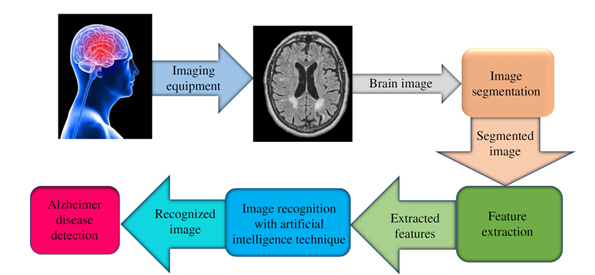
Figure 1 General framework for Alzheimer’s disease detection using AI (Subasi 2020)
In epilepsy care, deep learning methods have made it possible to predict seizures as early as one hour before they occur, achieving prediction accuracies of up to 99.6%. Such breakthroughs hold the potential to improve safety and quality of life for millions of patients living with epilepsy.
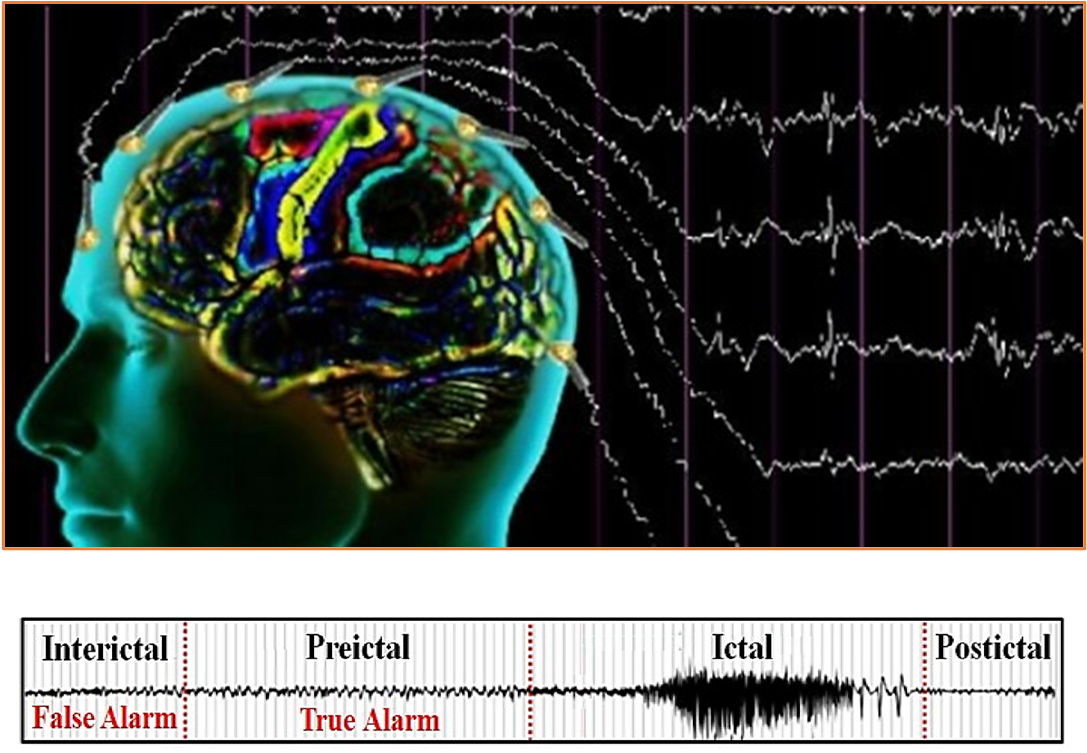
Figure 2 Brain states in a typical epileptic EEG recording.
AI has also shown promise in brain tumor classification. Using three-dimensional convolutional neural networks, researchers can distinguish between high-grade and low-grade gliomas by extracting detailed spatial features from volumetric MRI scans. This approach helps clinicians design more effective treatment strategies.
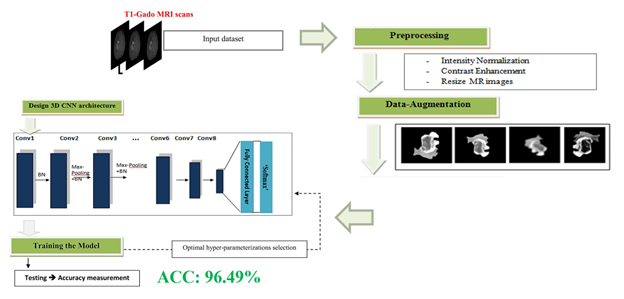
Figure 3 Proposed approach for glioma brain tumor classification (Mzoughi 2020).
Beyond diagnosis, AI contributes to many other areas of neuroscience and clinical care. Smart neurofeedback systems and brain-computer interfaces are being used to support cognitive training and rehabilitation after injury. AI-driven analyses of brain aging are allowing researchers to estimate an individual’s biological brain age and assess the risk of cognitive decline. In prosthetics, intelligent systems now integrate data from sensors, cameras, and the nervous system to create devices that can adapt responsively to the wearer’s needs.
Innovation is also flourishing among startups dedicated to AI-powered neuroscience. Companies like Brain.fm create adaptive soundscapes that help users improve focus and relaxation.
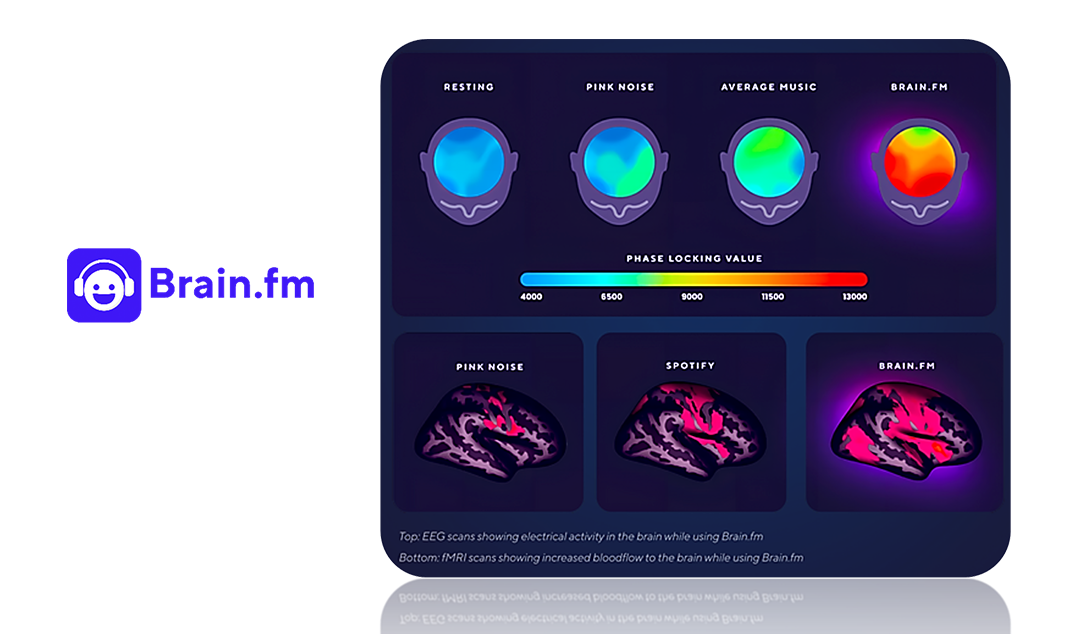
Figure 4 Time Magazine's Best Inventions of 2018.
BrainCo has developed EEG wearables that support neurofeedback training to reduce stress and enhance mental performance
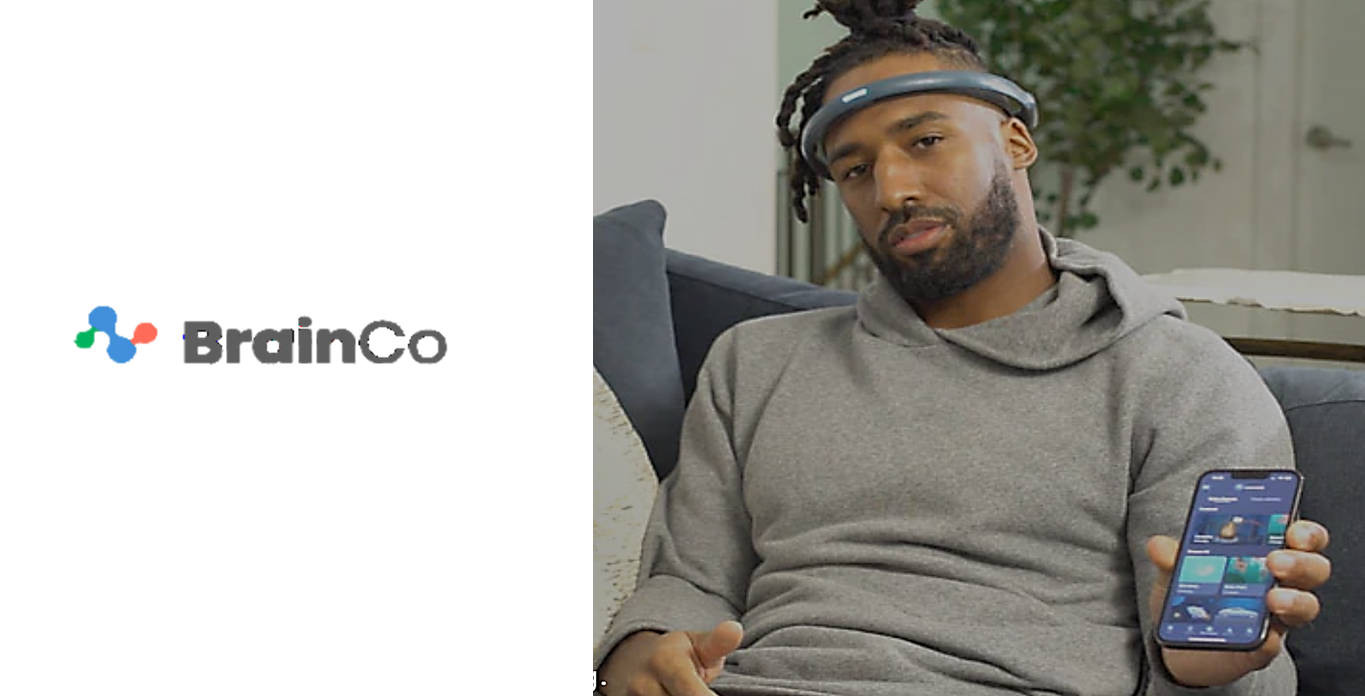
Figure 5 In 2019, BrainCo won the Brave Awards for the “Best AI Application in Health and Fitness.”
Other companies, such as See-Mode, apply machine learning to improve the interpretation of ultrasound images and predict stroke risk, while BrainQ is developing portable neurotherapy devices that deliver personalized electromagnetic stimulation based on individual brain data
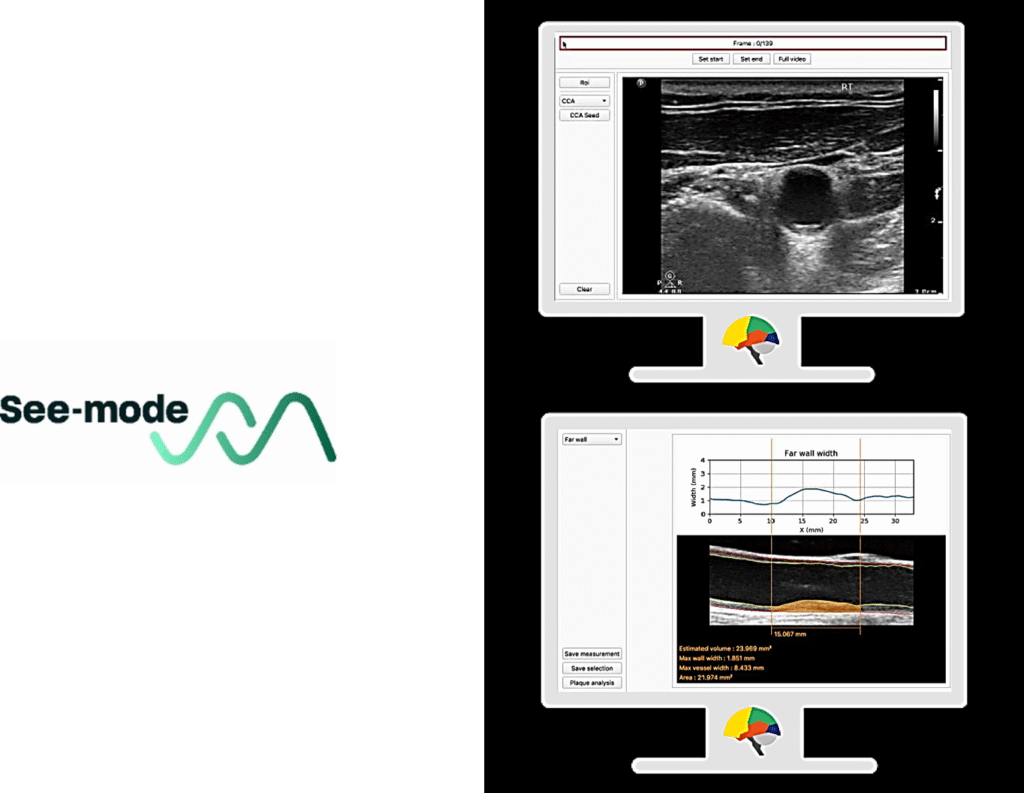
Figure 6 See-Mode software.
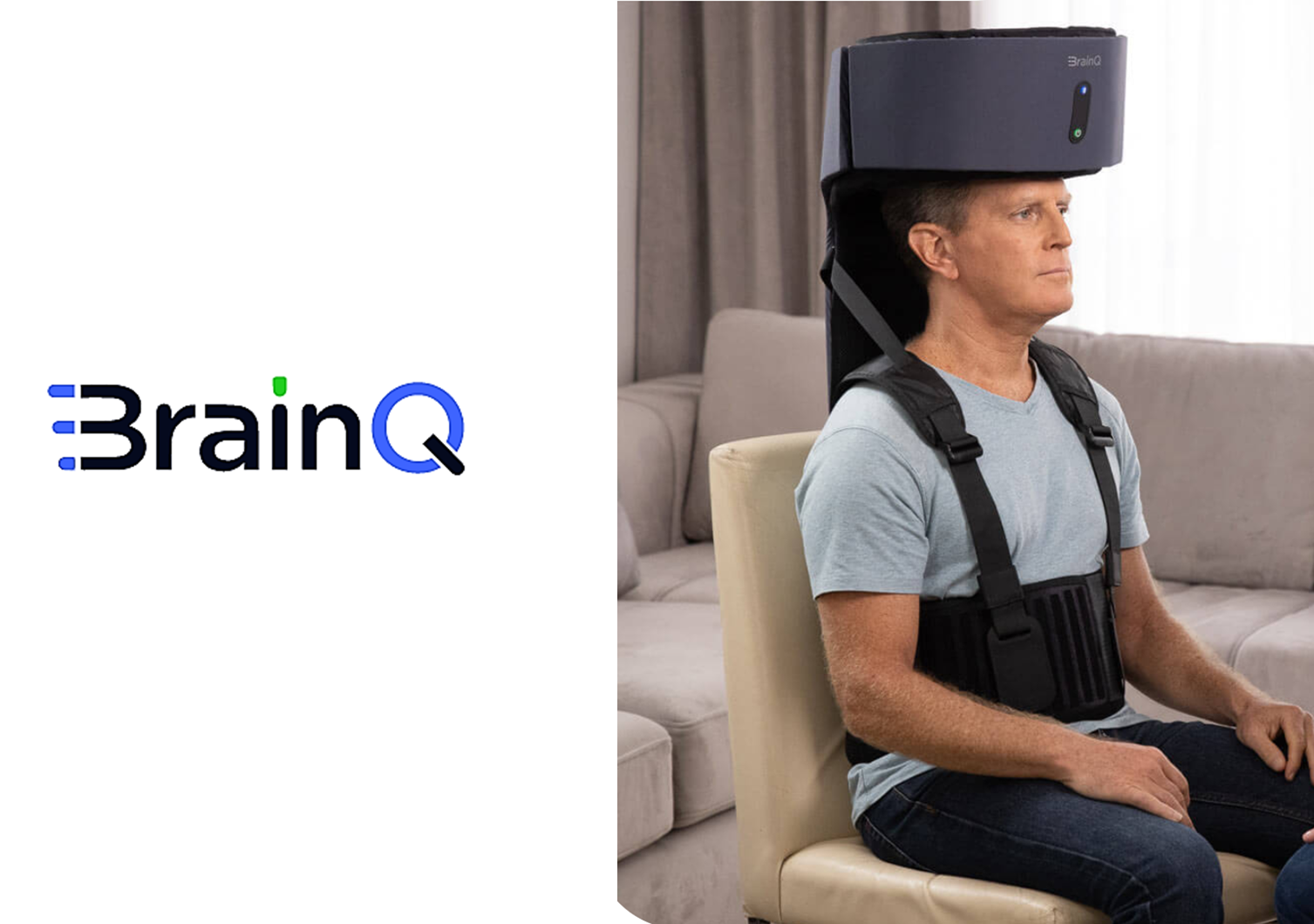
Figure 7 Received funding under the European Union’s Horizon 2020 Research and Innovation program.
While the progress is remarkable, important challenges remain. The integration of AI into clinical practice depends on the availability of large, high-quality datasets, as well as clear legal and ethical guidelines. It is also essential to establish standardized methods to evaluate performance metrics like accuracy and sensitivity. Ultimately, AI should be seen as a powerful complement to medical expertise rather than a replacement. Clinicians will continue to play a critical role in interpreting AI-generated insights and ensuring patient safety.
In conclusion, AI represents an extraordinary opportunity to advance clinical neuroscience and healthcare. By combining data-driven technologies with professional experience and ethical responsibility, the medical community can offer more precise, timely, and personalized care to patients worldwide.
Author: Dr. Farveh Daneshvarfard
References:
- Surianarayanan Ch, et al. (2023) Convergence of Artificial Intelligence and Neuroscience towards the Diagnosis of Neurological Disorders—A Scoping Review. Sensors, 23(6), 3062; https://doi.org/10.3390/s23063062.
- Busnatu S, et al. (2022) Clinical Applications of Artificial Intelligence—An Updated Overview. Journal of Clinical Medicine,2022 Apr; 11(8): 2265. doi: 3390/jcm11082265.
- Kumar A, et al. (2022) Artificial intelligence in disease diagnosis: a systematic literature review, synthesizing framework and future research agenda. Journal of Ambient Intelligence and Humanized Computing, DOI: 1007/s12652-021-03612-z
- Subasi A (2020) Use of artificial intelligence in Alzheimer’s disease detection. AI Precis Health. https:// doi. org/ 10. 1016/ B978-0- 12-817133- 2. 00011-2
- El-Dahshan El, et al. (2010) Hybrid intelligent techniques for MRI brain images classification. Digital Signal Processing, 20, 433–441.
- Daoud, H.; Bayoumi, M.A. Efficient Epileptic Seizure Prediction Based on Deep Learning. IEEE Trans. Biomed. Circuits Syst. 2019, 13, 804–813.
- Moore (2019) https://news-medical.net/news/20190923/MRI-shown-to-be-a-powerful-tool-in-the-detection-and-prevention-of-minor-stroke.aspx
- Ni Y, et al. (2018) Towards phenotyping stroke: Leveraging data from a large-scale epidemiological study to detect stroke diagnosis. PLoS ONE 13(2): e0192586. https://doi. org/10.1371/journal.pone.0192586
- Mzoughi H, et al. (2020) Deep Multi-Scale 3D Convolutional Neural Network (CNN) for MRI Gliomas Brain Tumor Classification. Journal of Digital Imaging, 33(4):903-915. doi: 10.1007/s10278-020-00347-9.
- https://www.brain.fm/
- https://brainco.tech/
- https://www.see-mode.com/
- https://brainqtech.com/
- Balaji E, Brindha D, Balakrishnan R (2020) Supervised machine learning based gait classification system for early detection and stage classification of Parkinson’s disease. Appl Soft Comput J 94:106494
- Lin L, Shenghui Z, Aiguo W, Chen H (2019) A new machine learning method for Alzheimer’s disease. Simul Model Pract Theory. https:// doi. org/ 10. 1016/j. simpat. 2019. 102023