
Foundations and Frontiers in Neuroscience
Neuroscience is the interdisciplinary science dedicated to understanding the nervous system in all its complexity, from molecules and genes to circuits and behavior. As Santiago Ramón y Cajal once remarked, “Any man could, if he were so inclined, be the sculptor of his own brain.” This ethos underpins modern research, which blends biology, psychology, medicine, physics, and computer science to explore how the brain develops, functions, and adapts both in health and disease.
1. Developmental Neuroscience: Mapping the Growing Brain
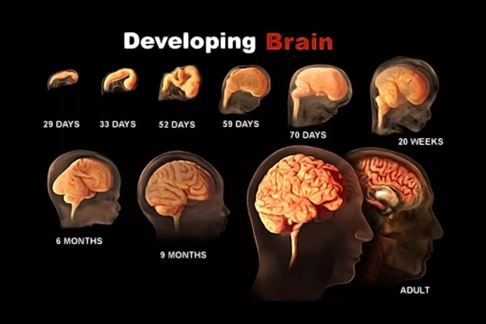
Figure 1 Stages of embryonic and postnatal brain maturation.
The journey from a single neural progenitor to a fully wired brain involves orchestrated stages of neurogenesis, migration, axon guidance, synapse formation, and myelination. Gene–environment interactions further shape this process, and disruptions can lead to conditions such as autism spectrum disorder or ADHD.
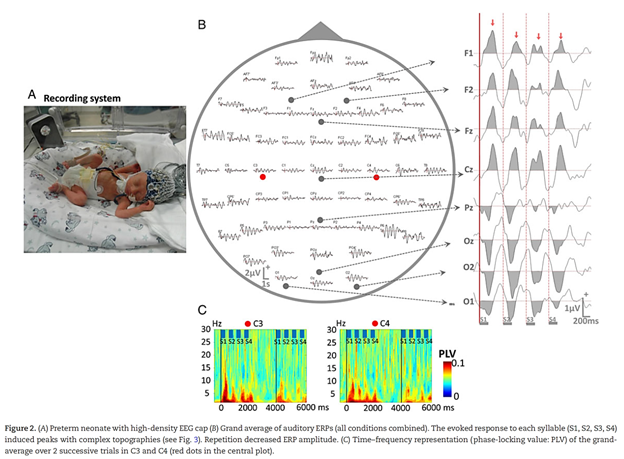
Modern studies often adopt a multimodal strategy, combining structural imaging with functional measures, to chart how neural circuits evolve over time. For instance, neuroimaging in very early preterm infants reveals how auditory cortex responses mature in both time and frequency domains, offering early biomarkers of neurodevelopmental risk.
2. Cognitive Neuroscience: Unraveling Thought and Behavior
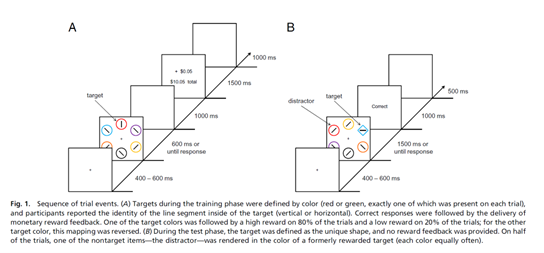
Cognitive neuroscience seeks to bridge mind and brain by uncovering the neural mechanisms behind perception, attention, memory, language, decision-making, and emotion. One paradigm examines value-driven attentional capture, showing that stimuli associated with reward or punishment can hijack our focus, slowing reaction times and degrading performance.Beyond attention, researchers are developing visual biomarkers for early ADHD detection. By integrating eye‑tracking data, neurophysiological signals, and behavioral metrics, a multimodal approach can reveal subtle attentional deficits before they manifest clinically.
3. Clinical Applications: From Diagnosis to Personalized Therapies
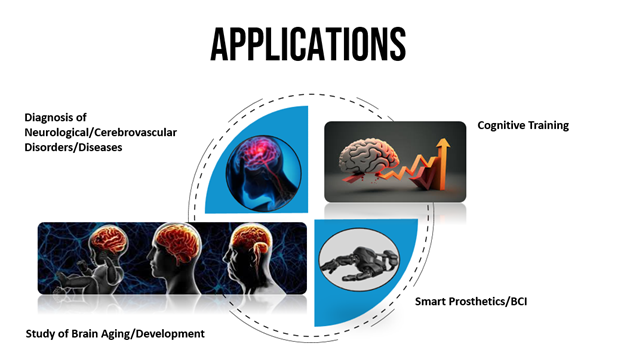
While fundamental research lays the groundwork, the ultimate goal is to translate insights into tools that improve patient care. In this realm, AI has become indispensable.
- Alzheimer’s Disease Detection
Deep learning frameworks can analyze T2-weighted MRI scans to differentiate healthy aging from Alzheimer’s pathology with accuracies nearing 98%. This empowers clinicians with objective, reproducible diagnostic support.
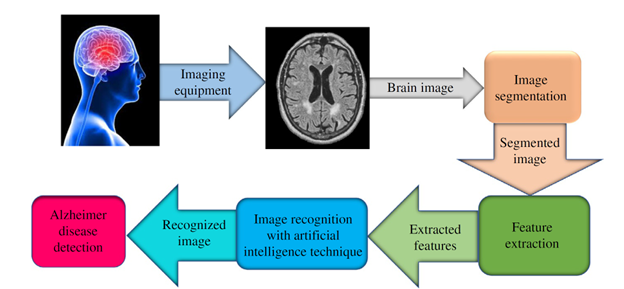
Figure 1 Stages of embryonic and postnatal brain maturation.
- Epileptic Seizure Prediction
By training on long-term EEG recordings, AI models now predict seizures up to one hour ahead with over 99% accuracy. Early warning systems based on these algorithms could dramatically reduce injury risk and enable timely interventions
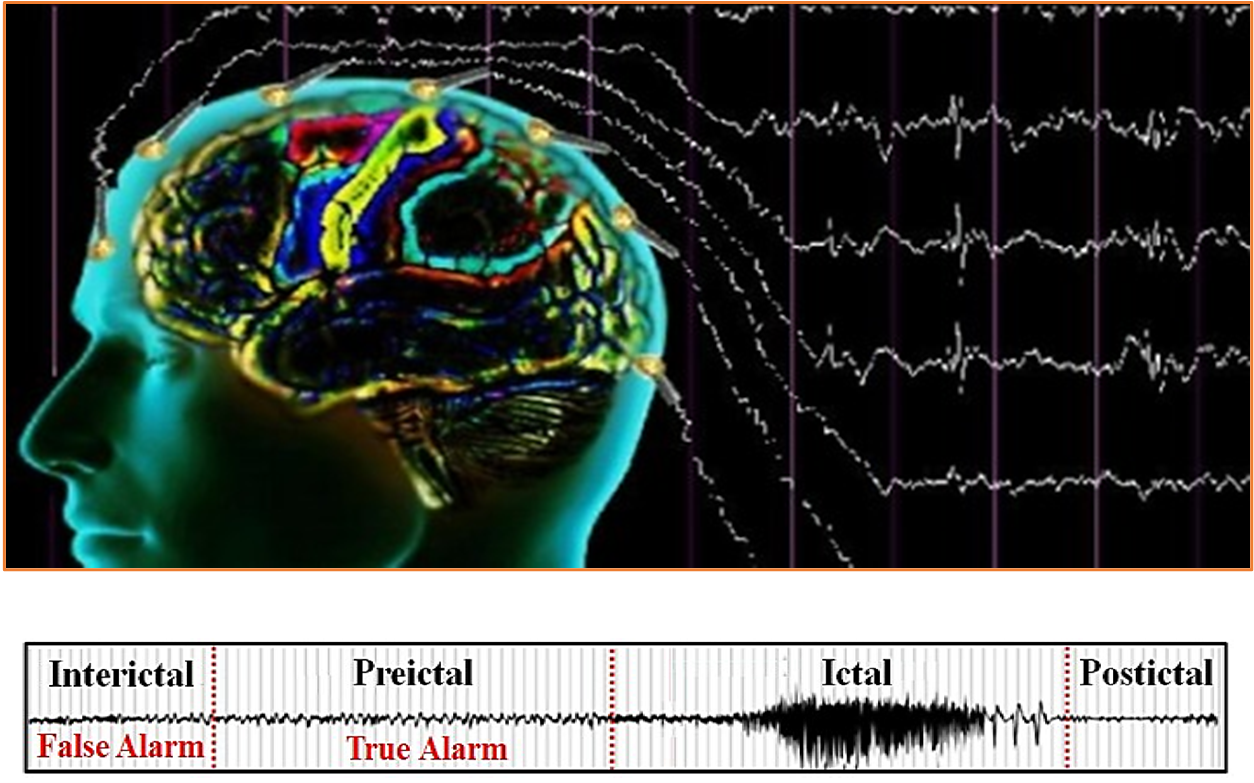
Figure 2 Machine learning pipeline for MRI-based Alzheimer’s diagnosis.
- Glioma Tumor Classification
Three-dimensional convolutional neural networks exploit volumetric MRI data to distinguish high-grade from low-grade gliomas, extracting both local and global spatial features for precise tumor grading.
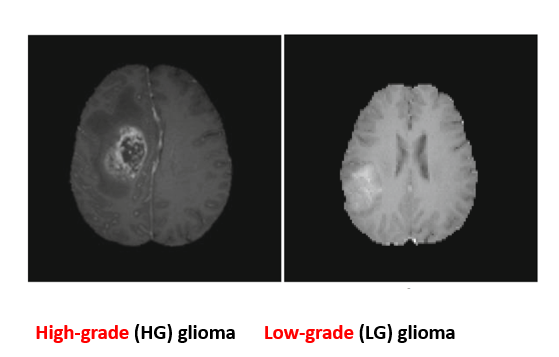
Figure 3 Seizure prediction performance and pre ictal EEG patterns.
4. Emerging Technologies and Future Directions
Beyond diagnostics, neuroscience is pioneering new modalities for rehabilitation and enhancement:
- Brain–Computer Interfaces (BCIs) and Neurofeedback
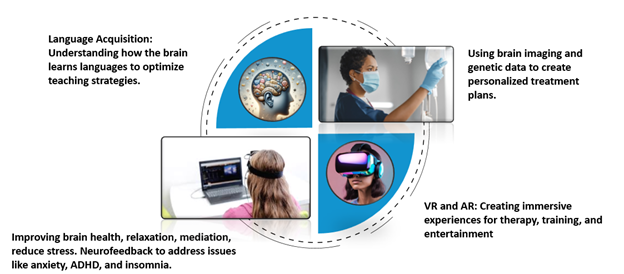
Wearable EEG devices combined with real-time feedback enable users to train attention, manage stress, and support recovery after brain injury. - Virtual and Augmented Reality
Immersive environments are being developed for exposure therapy, skill learning, and cognitive rehabilitation, offering controlled, adaptable stimuli that engage neural plasticity. - Personalized Neurotherapies
Integrating brain imaging, genetic profiling, and AI-driven analytics, researchers aim to tailor interventions—whether pharmacological or electromagnetic—to each individual’s unique neural signature.
Author: Dr. Farveh Daneshvarfard
5. Integrating Neuroscience into Your Training
For students in our lab, these frontiers highlight two key opportunities:
- Interdisciplinary Skill Development
Mastering neuroscience today requires fluency in programming, signal processing, AI, and experimental design. Engage with open datasets, contribute to AI model development, and collaborate across departments. - Ethical and Practical Considerations
As you harness powerful tools, remain mindful of data privacy, algorithmic bias, and the clinician’s irreplaceable role in interpreting AI-generated insights.
By weaving together developmental insights, cognitive frameworks, and AI-driven clinical tools, this narrative demonstrates the breadth of modern neuroscience. Each figure underscores pivotal breakthroughs, while the prose guides readers through a coherent journey—from embryonic neurons to personalized therapies.